
The Next Generation of Work in Entertainment

Artificial intelligence is rapidly reshaping Hollywood, transforming film and TV production as well as the labor economics behind them. Tasks once handled by writers, editors, and visual effects artists are increasingly supplemented or replaced by AI tools, raising urgent questions about job security, wages, and the future of creative work. As a member of Gen-Z, I see both excitement and anxiety among my peers. We’re drawn to AI’s efficiency and cost-cutting power, but we’re also keenly aware of its risks. Growing up with digital innovation, we're well-positioned to navigate and critically evaluate these changes.
To better understand Gen-Z's mixed feelings about AI in entertainment, the Stanford Entertainment Lab recently surveyed individuals aged 18 to 28. The results reveal a mix of optimism and concern: young creatives see potential in AI, but also worry about its consequences.
Unlike older generations who often see AI as a threat, Gen-Z views it as an opportunity to bypass Hollywood’s traditional barriers and accelerate their careers. Over half (53.9%) believe AI can help them advance faster than conventional industry routes. Tools like Runway, Adobe Firefly, and OpenAI’s Sora are putting professional-grade production power into the hands of aspiring filmmakers. On platforms like TikTok and YouTube, AI-assisted creators are already building audiences and drawing studio attention. For Gen-Z, fluency in AI is a competitive edge and a means to break into an industry long defined by high barriers to entry. However, this has also brought a noticeable shift of enthusiasm away from traditional Hollywood studios: nearly 40% of respondents indicated low interest in AI-focused studio jobs, preferring the authenticity and creative freedom found in the independent, creator-driven economy.

For Gen-Z, AI’s appeal lies in its potential to make creative work more fulfilling, not by replacing artists, but by handling the tedious, time-consuming tasks that bog down production pipelines: logging footage, creating rough cuts, generating placeholder VFX, and formatting pitch decks. As one respondent stated, “Ideally, AI would not be involved in the creative process at all, and only used for making certain repetitive tasks more efficient.” Gen-Z is asking how AI can elevate the human side of entertainment: “I want to see new emerging actors, new storylines that haven't been done before—and I am okay with AI exemplifying human creativity if it means an easier and more efficient production process.” Gen-Z sees AI as a collaborator, freeing more space for experimentation, storytelling, and originality.
Despite their optimism, Gen-Z also feels deep anxiety about AI’s impact on their professional futures. 60.2% of survey respondents reported moderate to significant concern about AI’s impact on their careers. One respondent wrote, “I’m honestly afraid of what Hollywood will look like in five years with AI at the wheel... many essential filmmaking groups will be out of jobs or no longer essential; that will take the heart out of Hollywood and filmmaking as a whole.” Concerns about shrinking wages and vanishing entry-level roles add to this anxiety. “I want writers and crew to be paid well,” another wrote. “AI does not play into this mental vision; as we’ve seen recently, it will only serve to push people out and wages down.” The idea that foundational roles could be automated or underpaid is especially troubling for a generation grappling with rising costs, gig work, and student debt. Gen-Z creatives are open to AI, but they’re just as aware that, if left unchecked, it could deepen existing inequalities.
Gen-Z’s view of AI is shaped by a tension between excitement and concern. The question isn’t whether AI will shape Hollywood; it already is, but how the industry chooses to shape it in return. To those hoping AI might simply disappear, the reality is clear: it won’t. Gen-Z is already adapting to and relying on AI in their creative and personal lives. Over 70% of survey respondents said they use at least one generative AI tool on a daily basis.
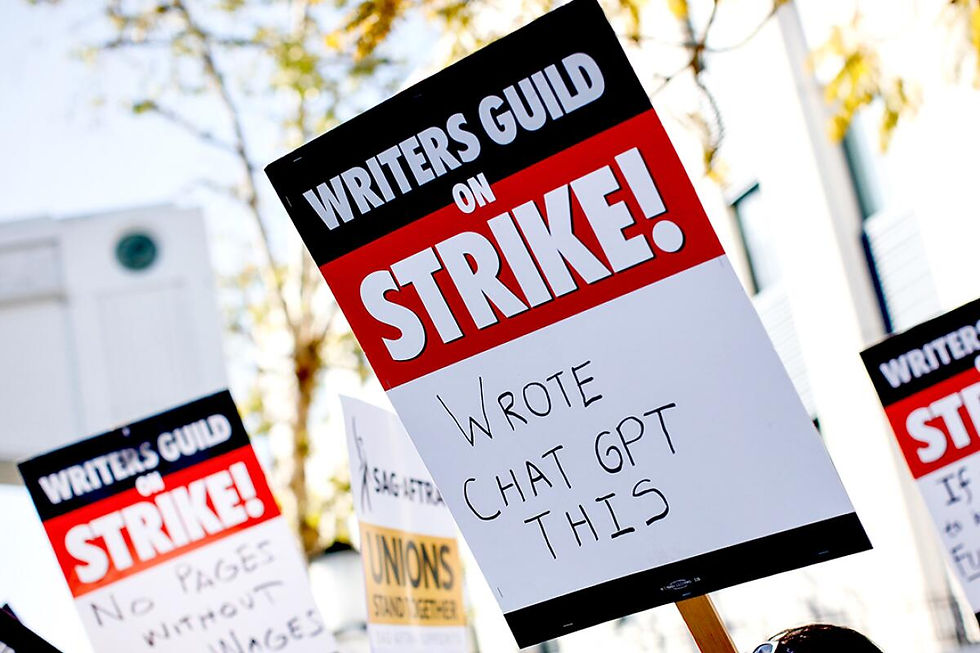
Looking ahead five years, Gen-Z creatives envision a Hollywood transformed both technologically and structurally, empowered by accessible AI tools and independent platforms. Respondents highlighted their hopes for democratized content creation, “Hollywood needs to adapt. The industry should reflect the creative freedom and entrepreneurial spirit we see online; otherwise, it risks becoming irrelevant.” Several survey respondents specifically emphasized wanting a Hollywood “less dominated by big tech studios like Netflix and Amazon”. Another respondent envisioned a future in which Hollywood empowers “more diverse voices and ensures equitable pay and working conditions.”
Ultimately, studios and executives need to rethink their traditional models. If they fail to meaningfully democratize and decentralize content production, as well as establish clear AI protections, they risk losing a generation of creators, and their audiences, to the quickly-growing independent, digital-first platforms. This might look like supporting emerging, independent creators, developing dedicated funding initiatives for experimental storytelling, and fostering equitable partnerships with platforms like YouTube, TikTok, and other creator-driven media. It will require ethical AI policies, fair labor practices, and genuine inclusion in creative decisions. By acting now, studios can become collaborators, not gatekeepers, in a changing industry. The studios that recognize and act upon this shift now will be the ones defining Hollywood’s future, rather than chasing after it.


Comments