
Navigating a New Era in Filmmaking with Bill Guttentag


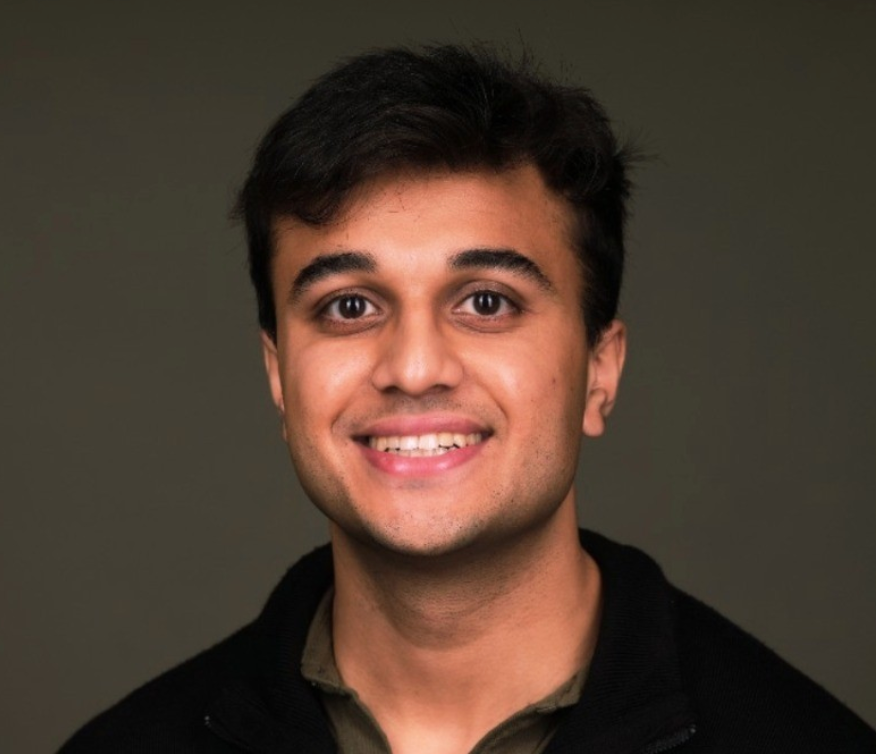
Bill Guttentag (left) is a double Oscar-winning dramatic and documentary film writer-producer-director. As a professor at the Stanford Graduate School of Business, he teaches organizational behavior and explores the intersection of storytelling, technology, and ethics.
Q: How do your students at Stanford’s GSB feel about generative AI in entertainment?
Among my students, the sentiment is that GenAI is here to stay and it’s only going to become more widespread. I don’t think there’s a lot of fear surrounding it, at least not in Silicon Valley. This place has always embraced technology. The film business, by contrast, has historically been resistant. It was against sound, against television, against MP3 players, and against VCRs, until it learned how to profit from them. But Silicon Valley’s ethos is built on embracing innovation.
Q: What types of questions or themes tend to come up most in your classroom discussions about AI and entertainment?
A recurring question is: “What’s the future of AI in entertainment?” It’s difficult to predict. Some uses are less controversial—like using AI for inexpensive special effects. That’s already happening and seen as a technical tool. But others, like AI-written screenplays, are much more controversial. There are technologists who believe we’ll be able to generate good screenplays and even direct films with AI. But we’re not there yet—not by a long shot. Right now, screenplays that AI produces aren’t passing the Turing Test in any meaningful way.
Q: How do you hope the next generation of filmmakers will use GenAI?
It depends on the use case. Some applications, like enhancing eyes in color correction or removing a disruptive sound like a hooting owl, are tedious, technical tasks that AI can help automate. That’s helpful. In my last film, I had both student-level and high-end talent doing VFX work, and I defy anyone to distinguish who did what. That’s the power the tools. But then we get to the ethical dilemmas. For instance, replacing actors, especially those who have passed away, comes with questions around consent and legality. Or using AI to remove a specific sound without replacing all the dialogue (ADR). AI can help, but should it? What about the lawsuits involving companies hoovering up copyrighted material like journalism or comedy routines? Sarah Silverman, for example, is in a lawsuit because AI can now generate jokes in her voice after ingesting her content. Just because it’s technically possible doesn’t mean it’s ethically sound.
Q: What ethical and legal concerns are you most focused on when it comes to AI in entertainment?
There’s a huge, unresolved debate about consent, ownership, and compensation. If the New York Times sends a reporter to a war zone and AI later scrapes their work, is that fair? What happens if extras from a foreign shoot who signed general releases are digitally placed into political ads? These are messy, thorny issues. There’s a lot of gray area.


Comments